Research Library – National Society Sons of the American Revolution
Many of the best resources to discover American Revolutionary-era family history lie within the specialized military, pension, and lineage collections that have been indexed and digitized to make them readily available to you. This material will help you locate those that served in the revolution throughout all colonies of early America.
Within Florida, during the American Revolution, the British colonies of East and West Florida remained loyal to the British Crown, meaning there was no "Continental Army" or "Patriot" contingent of soldiers raised from Florida to fight the British. Instead, Florida served as a Loyalist stronghold and a base for British military operations.
Note that Florida was under British control (divided into East and West Florida) during the American Revolutionary War and remained loyal to the Crown; therefore, most soldiers in Florida were British Regulars, Loyalist militia, or Spanish forces, rather than soldiers for the American cause.
Florida's Role in the Revolutionary War
- Loyalist Haven: Loyalists from Georgia and South Carolina fled to Florida to avoid persecution and to organize military resistance against American forces.
- British Military Base: British regular soldiers (e.g., of the 9th and 60th Regiments of Foot) were stationed in St. Augustine and Pensacola. St. Augustine also housed American prisoners of war, including several signers of the Declaration of Independence.
- Provincial Units: Local Loyalist militia units, such as the East Florida Rangers (also called the King's Rangers), were raised to protect the border with Georgia and conduct raids into Patriot territory.
- Spanish Involvement: Spain, allied with the American and French forces, eventually captured British West Florida (including Pensacola) in 1781.
Finding Individual Soldier Records
To find an individual Revolutionary War soldier’s records within the colonies, work from the person’s name and place of residence to specific federal and state record sets that have been indexed and often digitized. Check compiled service records, search pension and bounty land files, order records from lineage societies, county clerks, and the National Archives.
- Loyalist Records: Records for those who served in Loyalist provincial corps might be found within British military archives or Loyalist claims records. The Loyalist Studies website provides information on various Loyalist regiments.
- National Archives Records: The US National Archives and record services have compiled service records for the American Army (M881 microfilm publication). To find a Floridian who fought for the American side, search the general Continental Army records as he would not have been part of a formal unit in Florida.
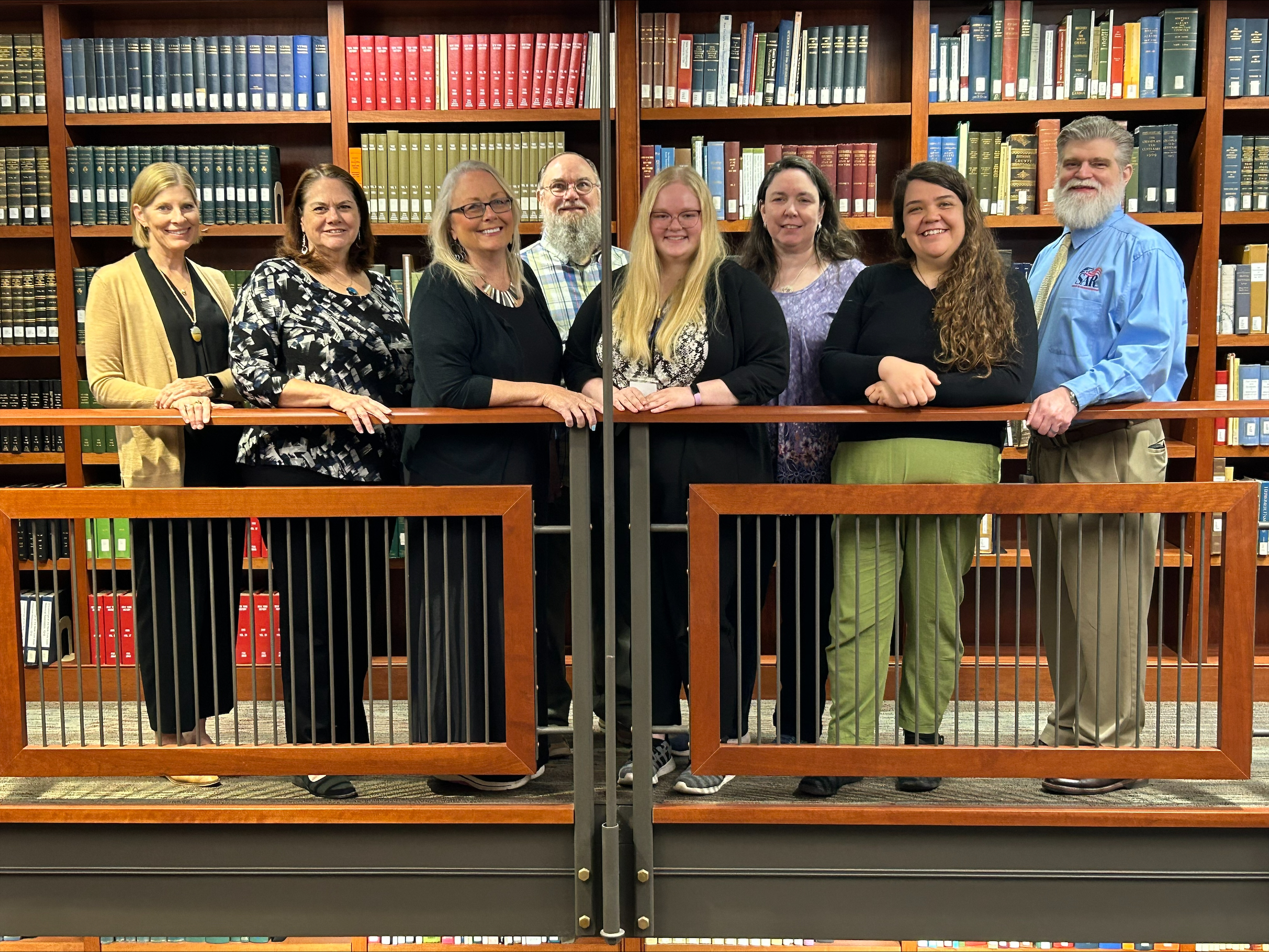
- The Sons of the American Revolution's Patriot Research System (PRS) is a database combining previous indices and registries with additional updates from various state grave registries and patriot biographical sketches. The society's research library offers a large collection of resources.
- Genealogical Resources: Organizations like the Daughters of the American Revolution (DAR) maintain extensive databases of patriots and soldiers as well as an expansive library.
- Online Databases: Genealogical websites like FamilySearch, Ancestry.com, and Fold3 offer searchable Revolutionary War records.
In Florida, no comprehensive "table of soldiers from Florida in the Revolutionary War" fighting for the American cause exists because, officially, there were no such organized units; the military presence was primarily British and Loyalist.
Visuals of Records and Reenactments
You can find images of historical records (such as muster rolls or military service records) and photos of modern reenactors, but not contemporary photographs or "tables" with pictures of individual soldiers, as photography was not invented until decades after the war.
- Images of Records: The National Archives holds compiled service records for the Revolutionary War, and the Florida State Archives has related microfilms and pension applications. These records are documents and rolls, not picture tables.
- History Visuals: The Florida Memory Project has a vast collection of Florida history visuals, including some related to the Revolution era, but these are mainly portraits of key figures (like Governor Patrick Tonyn) or photos of historical markers and sites, not individual soldiers.
- Reenactment Photos: Modern reenactors portray the soldiers of the era, including Spanish soldiers in Pensacola or the British East Florida Rangers.
- Artwork and Engravings: Contemporary illustrations and later engravings exist of battles and key events, such as artwork depicting the Battle of Thomas Creek.
Where to Search for Images
To view images related to this topic, you can browse collections from:
- The National Archives for general Revolutionary War images and documents.
- The Florida Memory Project which has an extensive digital photographic collection relating to the state's history.
- Historical stock image websites, which feature photos of reenactors and illustrations.
Searches for "tables" of soldiers with pictures will likely be unsuccessful as such a historical artifact does not exist; instead, focus on searching for the documentary records or illustrations/reenactments.